Pigmentation
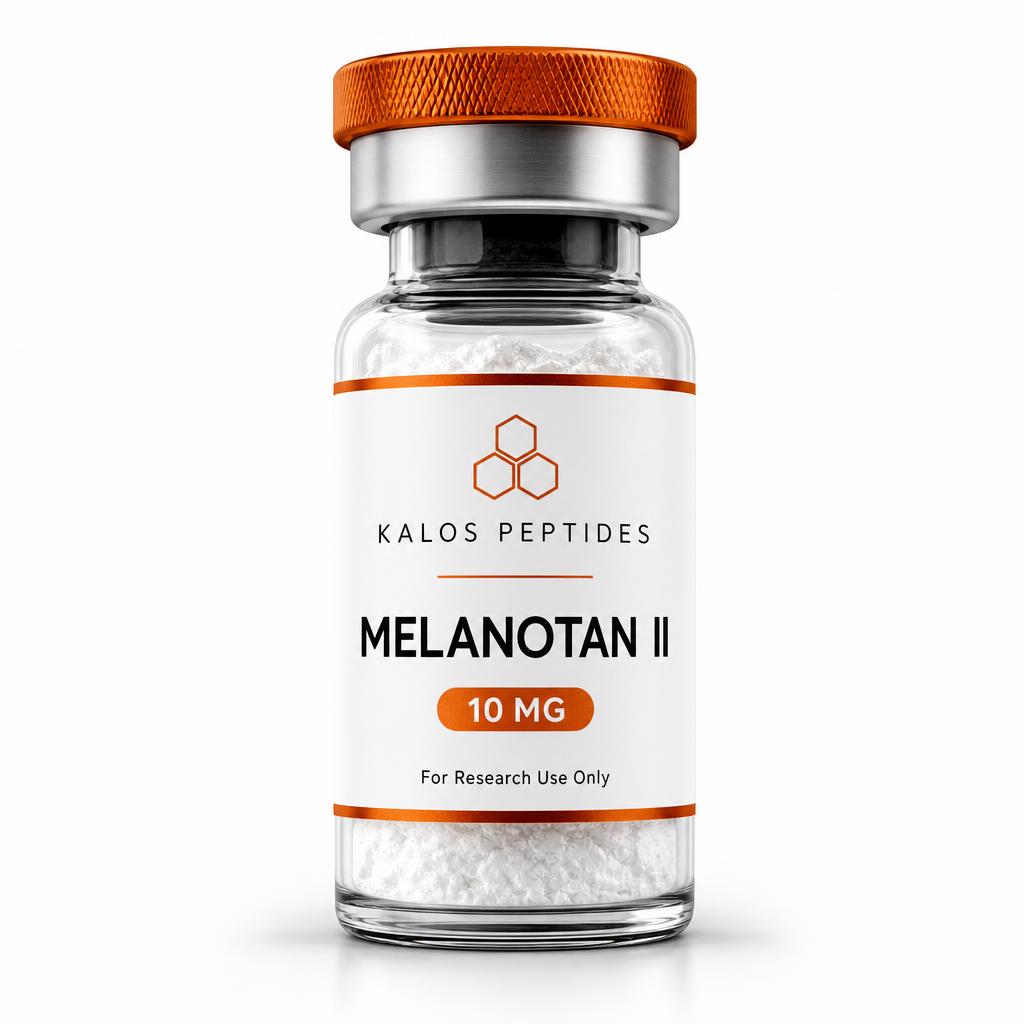
MT-2 (Melanotan II)
$55.00 CAD
All prices shown in Canadian Dollars (CAD) · 🍁 Ships Canada-wide
A melanocortin receptor agonist researched for stimulating melanin production, leading to deeper natural tanning with reduced UV exposure. Studies also note effects on libido and appetite regulation.
Select size
Specifications
- Purity
- ≥99%
- Quantity
- 10mg
- Storage
- Lyophilized: -20°C. Reconstituted: 2-8°C
- Research Use
- Laboratory research only. Not for human use.
1. Overview
Full name
Melanotan II
Category
Pigmentation / Melanocortin Agonist
Abbreviations
Summary
A synthetic analog of α-MSH that activates melanocortin receptors, stimulating natural melanin production for deeper tanning with reduced UV exposure.
2. What It Does
Primary functions
- Stimulates melanogenesis
- Produces deeper, longer-lasting tan
- Reduces required UV exposure
Secondary effects
- Modulates libido and sexual arousal
- Suppresses appetite mildly
Biological pathways
- MC1R (skin pigmentation)
- MC3R/MC4R (appetite and sexual function)
Mechanisms of action
- Activates MC1R on melanocytes to increase eumelanin production
- MC4R activation influences central appetite and arousal pathways
3. How It Works
Melanotan II binds melanocortin receptors with broad affinity. On skin melanocytes, MC1R activation triggers tyrosinase activity and shifts melanin synthesis toward darker, photoprotective eumelanin.
Centrally, MC3R/MC4R activation produces secondary effects on libido and appetite. Combined, these effects produce stronger pigmentation with smaller doses of UV stimulation.
4. Benefits
Tanning
Deeper, more uniform pigmentation.
UV protection
Less sun exposure required for tanning response.
Libido
Increased sexual arousal in research models.
Appetite
Mild suppression in some users.
5. Why People Use It
Common goals
- Cosmetic pigmentation
- Reduced UV exposure
- Libido research
Typical use cases
- Photoprotection studies
- Melanocortin research
Popular applications
- Pigmentation research
- Sexual function research
Who uses it
- Dermatology researchers
- Melanocortin scientists